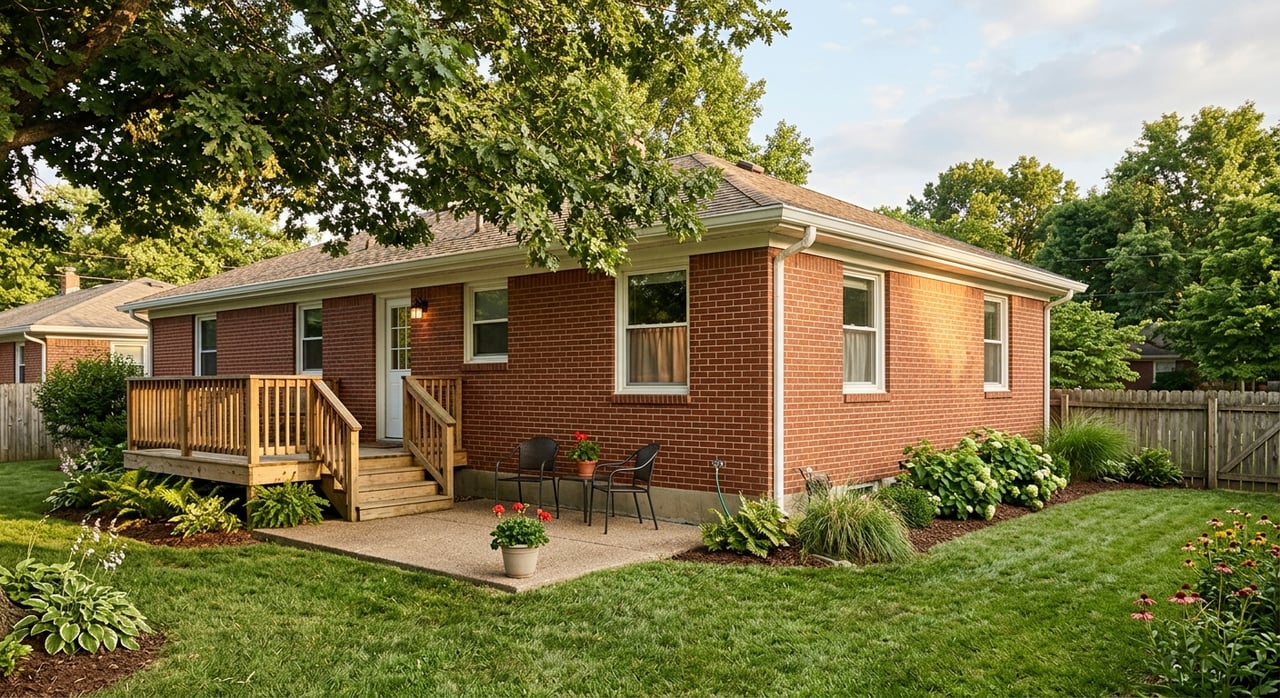
Step-By-Step Guide To Selling Your Brownsville KY Home
June 18, 2026
June 18, 2026
Selling a home in Brownsville can feel simple on the surface, but in a smaller market, the details matter. When there are only a few dozen active listings at a time, pricing, preparation, and communication can have a big impact on how smoothly your sale moves. This step-by-step guide will help you understand what to expect, what to prepare, and how to make informed decisions from listing to closing. Let’s dive in.
Before your home goes on the market, it helps to get clear on your goals. You may be hoping to move quickly, maximize your sale price, or keep the process as low-stress as possible. Knowing your priorities early makes it easier to build a plan that fits your timeline and your property.
Just as important, choose an agent who communicates well and sets expectations clearly from the start. In Kentucky, agency relationships and written consent are part of the early process, so this is the time to ask questions, talk through response times, and make sure you feel comfortable with the support you will receive.
Brownsville is a thin-data market, which means broad headlines do not always tell the full story. Recent market snapshots showed roughly 22 active listings, while Realtor.com reported a median listing price of $239,000, median days on market around 32, and a balanced market in March 2026. Homes were also reported to sell for about asking price on average.
That said, small markets can shift quickly. A home’s value in Brownsville may be shaped by recent comparable sales, condition, acreage, updates, and property type more than by any one online estimate. If your home has land, outbuildings, older systems, or features common in rural properties, those details deserve careful attention when setting your price.
Pricing is one of the most important steps in the entire selling process. In a market with limited inventory, being slightly overpriced can matter more because buyers have fewer listings to compare, and each home tends to stand out more.
A good pricing strategy should look at recent local comparable sales, your home’s condition, acreage, utility setup, upgrades, and overall presentation. If your property includes features like a workshop, barn, pond, or hobby-farm setup, those details may influence value, but they still need to be weighed against what buyers have actually paid for similar properties nearby.
One of the easiest ways to reduce stress later is to collect your documents before listing. This gives you time to fill out required forms carefully and organize any records that may help answer buyer questions.
For many covered single-family residential sales in Kentucky where a licensed person is paid, sellers are required to complete a seller’s disclosure of conditions form. The form asks about items such as basement leaks, roof leaks, water supply, sewage service, and the working condition of major systems.
If your home was built before 1978, there is also a separate lead-based paint disclosure requirement under federal law. That rule applies based on the year the home was built, not because of where the home is located.
These records can be especially useful if your home has older components or a less typical utility setup.
You do not have to complete every cosmetic update before listing. Still, a clean, well-prepared home often shows better in person and in photos, which can shape buyer interest from the start.
Focus first on the basics. Cleaning windows, carpets, walls, and light fixtures can make a noticeable difference. Removing clutter, improving curb appeal, and arranging rooms to feel open and functional can also help buyers better understand the space.
If you are unsure what to fix before listing, a pre-sale inspection is one option to consider. It can help identify issues with the roof, structure, plumbing, electrical, HVAC, insulation, ventilation, and other systems before a buyer finds them.
Once your home is priced and prepared, the next step is bringing it to market with a clear plan. In Brownsville and the surrounding Edmonson County area, buyers may be comparing a mix of in-town homes, rural properties, land, and lake-area opportunities, so accurate presentation matters.
That means your listing should reflect the property honestly and clearly. Acreage, outbuildings, access, utility information, updates, and condition should all be presented in a way that helps buyers understand what makes your property unique.
After your home goes live, flexibility becomes important. Showings can bring helpful feedback about price, condition, and how buyers are reacting to the home compared with other available options.
In a balanced market, your home may not draw immediate offers, and that does not always mean something is wrong. Timing can vary based on price point, property type, condition, and how your home compares to the few other active listings buyers are considering.
Frequent communication during this stage matters. If feedback points to a pattern, such as concerns about price or repairs, that information can help you decide whether to adjust your strategy.
An offer is about more than just the price. You will also want to look at financing, contingencies, requested timelines, and whether the buyer is asking for repairs, credits, or other terms.
In Brownsville, where homes have recently sold for about asking price on average, a strong offer may be one that matches the market and keeps risk manageable. The best choice is not always the highest number if another offer has fewer complications or a smoother path to closing.
Even after you accept an offer, there are usually still a few important steps ahead. Buyers may include an inspection contingency, and if they are using financing, the lender may require an appraisal.
This is often the stage where repair requests or credit discussions come up. If the inspection reveals concerns or the appraisal raises questions, you may need to negotiate again before moving forward.
A pre-sale inspection can sometimes make this stage easier because you have already had a chance to identify issues ahead of time. Even if you decide not to fix everything, knowing what may come up can help you price and negotiate more confidently.
As closing gets closer, it helps to understand a few Kentucky-specific items. Kentucky’s real estate transfer tax is imposed on the grantor named in the deed at $0.50 for each $500 of value, and it is collected when the deed is recorded.
On a $200,000 sale, that transfer tax would be $200 before exemptions, recording fees, or other closing items are considered. Your closing statement should also account for any prorated items tied to the property.
The deed must be recorded in the county clerk’s office where the property is located. In Edmonson County, sellers can also verify recorded documents through the county clerk’s records system after closing.
The Edmonson County Sheriff’s Office mails property and tangible tax bills on October 30 and follows a discount-and-penalty schedule through April 15. If your closing happens near tax billing dates, it is smart to review how those items are being handled as part of your final closing figures.
Selling in Brownsville is not always a plug-and-play process. Homes can vary widely in age, land, condition, utility arrangements, and property features, which means local knowledge can make a real difference in pricing, preparation, and negotiations.
If your property includes acreage, a mobile home, outbuildings, lake-area proximity, or a hobby-farm setup, those details should be understood in context. A straightforward plan, realistic pricing, and consistent communication can go a long way in helping you move from listing to closing with fewer surprises.
If you are thinking about selling your Brownsville home and want practical local guidance, Shauna Gravil can help you build a smart plan for your property and your timeline.
Stay up to date on the latest real estate trends.

Experience personalized service, expert negotiation, and a commitment to achieving your real estate goals.